
Bethlehem Live Weather Camera sponsored by St. Luke's University Health Network
-
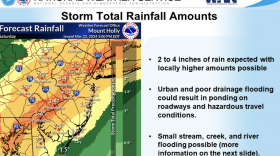
 Philadelphia set a record Saturday with its wettest March day on record, eclipsing 3 inches just before 2 p.m. The Lehigh Valley didn't get quite that much, but set a record of its own for the day, according to the National Weather Service.
 -
Take a look at stories that ran throughout the week of which we are most proud, had a profound impact on readers or that you might want to look at again.
-
While not federally recognized, residents across the country for the last half-century have acknowledged Earth Day by demonstrating for more environmental protections, cleaning up their communities or learning more about the planet they call home through educational initiatives.
-
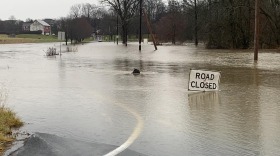
When excessive rain falls, the Lehigh Valley can see flooding of rivers, creeks, streams and other low-lying and flood-prone locations. These area roadways are usually impacted.
-
The Lehigh Valley is under a flood watch in effect from late Friday through Sunday morning, with excessive rainfall on the way and gusty winds following the storm that could result in power outages.
-
A coastal system is expected to bring heavy rain to the Lehigh Valley and much of the region this weekend, prompting concerns of flooding and power outages.
-
The Asthma and Allergy Foundation of America released its Allergy Capitals report this month. Allentown ranked in the Top 15 nationwide.
-
Late Tuesday marks the astronomical beginning of the spring season in the Northern Hemisphere, but forecasters say winter isn’t quite done with us yet.
-
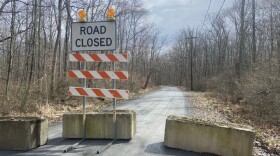
A section of Institute Drive will be closed through most of April to protect breeding amphibians. Experts said the road-closing conservation effort is not only important for the animals, but also for the region’s overall landscape and ecosystem.
-
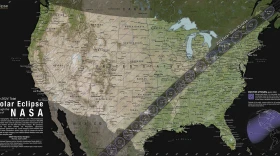
According to experts, the only way to view the total eclipse on April 8, 2024, is to be inside the 120 mile-wide path of totality. Outside of it, you won't have nearly the same experience.






-
Some insects like mosquitos are thriving later in the season as temperatures reach well into the 70s.
-
More than 81,000 documented oil and gas wells across the U.S. have been left unplugged by former owners — far exceeding the previous estimate of 56,000, according to a new report by the Environmental Defense Fund.
-
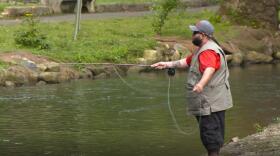
Pennsylvania has a new, tech-savvy option for hunters and anglers: digital licenses. The Pennsylvania Game Commission and the Pennsylvania Fish & Boat Commission’s new web platform allows people to apply for and download licenses in PDF form.
-
Get Outside for Good is a monthly hike aimed at raising awareness — and money — about and for Lehigh Valley nonprofit organizations. The hike, held the first Sunday of each month at the South Mountain Preserve in Allentown, is bringing local women together.
-
A new report says Lehigh Valley residents breathed in heavily polluted air for more than 50 days last year.
-
Texas-based pipeline builder Energy Transfer faces 48 criminal charges related to construction of its Mariner East pipeline project, including a felony count of failing to report pollution.
-
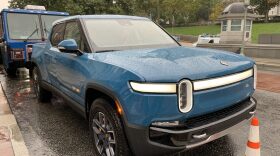
Electric vehicles are having a moment at the state capitol.
-
This week, PennEast Pipeline said it would stop developing a proposed pipeline from Pennsylvania to New Jersey.
-
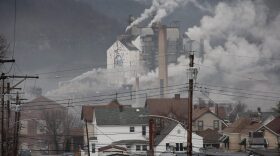
Allegheny County has a new rule on the books aimed at lowering air pollution levels during weather events that trap industrial fumes near the ground.
-
When the glaciers retreated 13,000 years ago from northwestern Pennsylvania, eight natural lakes were left in their wake. The ones that have become popular, like Conneaut and Edinboro lakes, have vacation homes, resorts, and farms nearby. But one lake stands out as a jewel of the region: Lake Pleasant.
-
Study shows significant health benefits from Pa. joining RGGI, but some harms for neighboring statesA new study from Penn State shows Pennsylvania could avoid billions of dollars in health damages by joining a regional cap and trade program targeting power plant emissions.
-
Pennsylvania is a top destination for people who travel to take pictures of fall foliage who are also known as “leaf peepers.”