
Bethlehem Live Weather Camera sponsored by St. Luke's University Health Network
-
 Take a look at stories that ran throughout the week of which we are most proud, had a profound impact on readers or that you might want to look at again.
 -
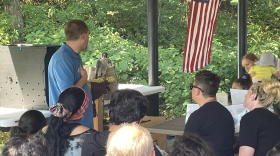
A sunrise observance was held Saturday at the private, nonprofit park to mark the transition from summer to fall. The park features dozens of stone settings strategically placed throughout more than 20 acres.
-
The storm is expected to cause heavy rainfall across the Mid-Atlantic states, potentially leading to flash and urban flooding. Easton's PorchFest has been postponed to Oct. 1.
-
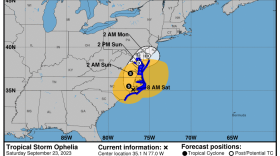
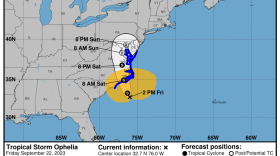
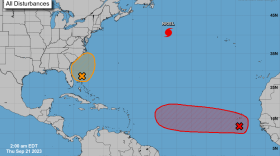
A tropical system that was officially named Ophelia on Friday will drench the East Coast this weekend, including the Lehigh Valley, officials said.
-
The free festival runs from 10 a.m. to 3 p.m. at the center. The schedule includes nature walks, live animal presentations, monarch butterfly tagging, music and more.
-
Northampton County and its conservation district appear poised to split after a County Council committee meeting Wednesday showed deep distrust between them
-
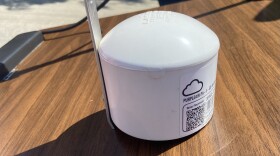
Lehigh Valley Breathes, a Valley-wide effort, aims to measure air quality. From the collected data, officials said they will make recommendations for improvements.
-
It’s becoming increasingly probable that a subtropical storm develops off the Southeast coast this weekend, forecasters say, but expected impacts to the Lehigh Valley remain in question.
-
It took less than two weeks to fix operational issues at Kline’s Island Wastewater Treatment Plant on Union Street. Officials described the sewer odor as an ‘"earthy" or "rotten egg" smell but said it is not harmful to human health.
-
The average price for a gallon of gas in the Lehigh Valley was $3.87 this week. That's below the Pennsylvania average of $3.92 per gallon but up slightly more than 11 cents from last week, according to AAA.




-
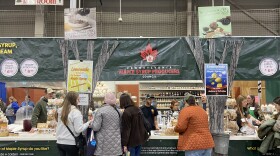
The 109th PA Farm Show is in full swing and continues through Saturday in Harrisburg. Find out how Lehigh Valley competitors placed in the Family Living and Commodities competitions.
-
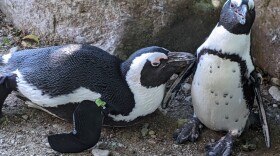
The Lehigh Valley Zoo’s barnyard birds, waterfowl and penguins are off exhibit. A recent suspected bird flu outbreak in wild geese is to blame.
-
The weeklong 109th PA Farm Show is well underway. More than a half-dozen Lehigh County 4-H’ers already have competed in various categories, from swine and sheep to breeding and market beef.
-
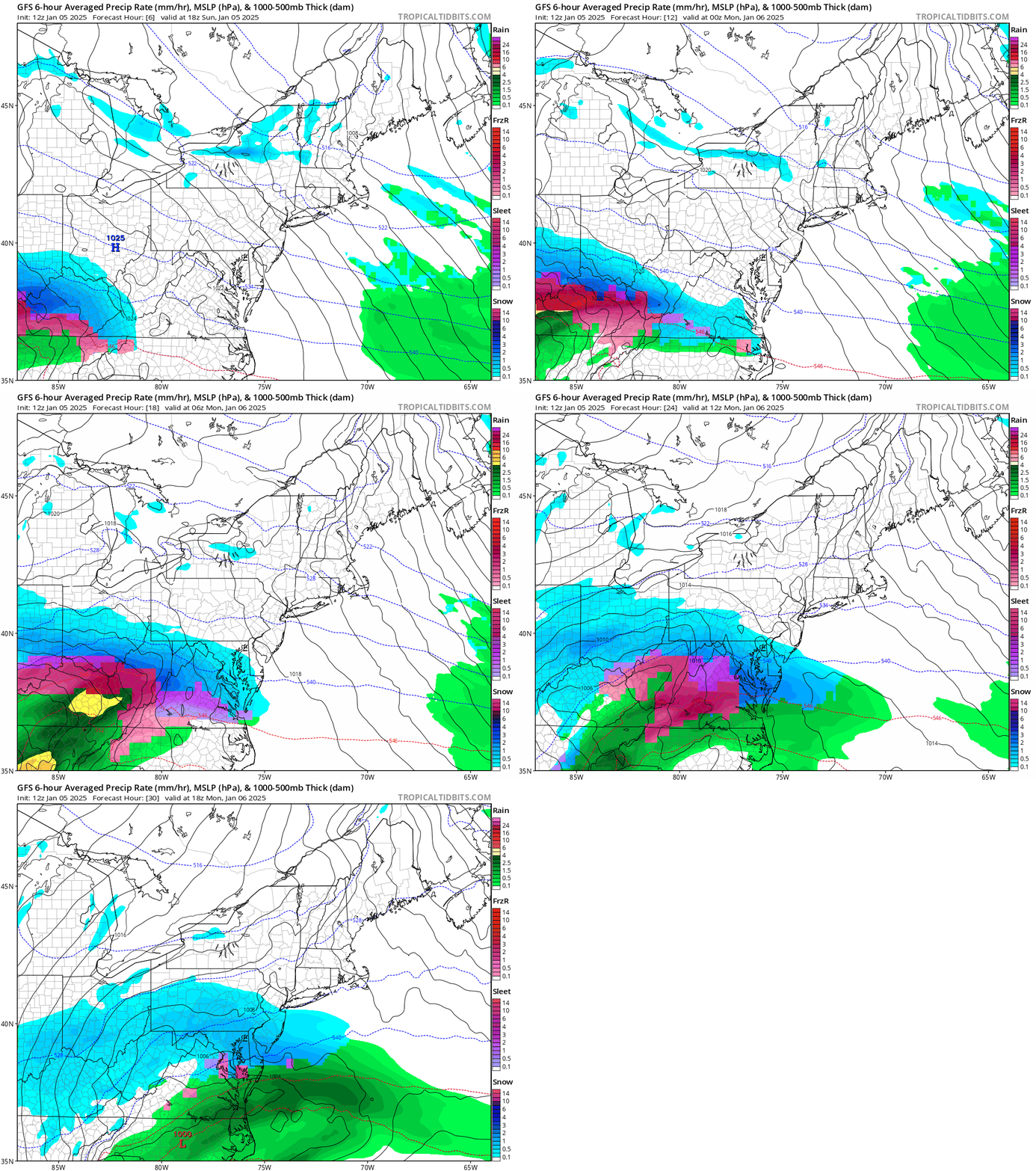
The latest snow storm has shifted south, meaning the area should see a few inches of snow from early Sunday morning into Monday. Surrounding areas are expected to experience hazardous travel conditions.
-
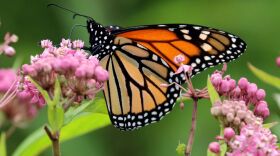
The U.S. Fish and Wildlife Service is collecting public input about listing the monarch butterfly under the Endangered Species Act. Officials estimate the eastern migratory population has declined by approximately 80%.
-
Looking back on two of 2024's "Skies" highlights with Brad and Marty.
-
PA Utilities Commission offers doable tips for getting through predicted winter blast and keeping pets safe. Include checking on elderly and disabled.
-
Ice Cream Wars is described by the Da Vinci Science Center as the 'sweetest competition in the Lehigh Valley.'
-
Unforeseen issues and obstacles have pushed the timeline for Lehigh Valley Breathes back. The regional air monitoring project aims to measure fine particle pollution.
-
Easton's Nurture Nature Center is searching for stargazers to join in the Hubble Night Sky Observing Challenge, where participants look out for some of the spectacles the legendary telescope has photographed.
-
The 109th PA Farm Show opens this weekend in the state capital, kicking off a week of competitions and demonstrations. Here's what you need to know about admission, parking and more.
-
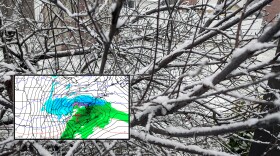
With the system three days away, the weekend will serve as the calm before the storm, with questions remaining on exactly where it will track and how much snow will fall across the region.