-
 LVPM/A revised childhood vaccination schedule was put in place this year reducing the number of recommended vaccines from 17 to 11. Some parents around the Lehigh Valley are confused about what schedule they should follow.
 -
Without enhanced tax credits for the Affordable Care Act, Lehigh Valley residents have seen their Pennie premiums climb more than $300 a month on average.


Lehigh Valley Heart and Vascular Institute now offers treatment for atrial fibrillation (AFib) with a new system that uses pulsed electrical fields to target problematic heart muscle cells instead of extreme heat or cold.
Health & Wellness News
-
 The Centers for Disease Control and Prevention recently released new guidelines surrounding intrauterine device pain. A local doctor says talking about this with a medical professional is the key to a smoother procedure.
 -
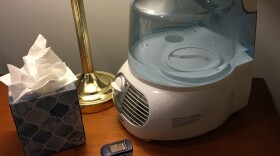
There's often a spike in respiratory viruses and other illnesses as children head back into the classroom. A local infectious disease specialist is urging parents to take preventive measures despite vaccine fatigue.
-
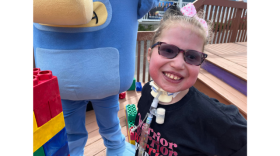
An eight-year-old girl dealing with a congenital heart condition cut the ribbon at Lehigh Valley Zoo to announce the American Heart Association of Greater Lehigh Valley and Berks County annual Heart Walk in September.
-
“A Community Conversation: Path to a Healthier Valley” starts at 6 p.m. Thursday, Aug. 22, and can also be watched streaming online on PBS39.org. The hourlong program touches on efforts to make the region a so-called "Blue Zone."
-
The health of the Lehigh Valley is improving, but there is room to grow according to health experts. They are sharing where residents need to do better and how to get there.
-
A cheaper, needle-free alternative to the EpiPen will soon be available following FDA approval. Neffy is a epinephrine nasal spray that can treat anaphylaxis.
-
The CDC has reported over 400 cases of salmonella across 31 states and the District of Columbia, including 60 cases in Pennsylvania.
-
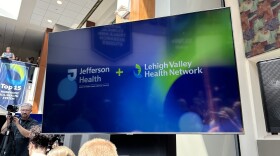
Lehigh Valley Health Network and Jefferson Health merged to become a regional provider on August 1st. The law firm that helped seal the deal explains what went into making that happen.
-
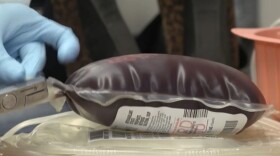
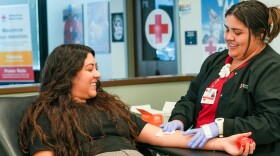
The American Red Cross and Miller-Keystone Blood Bank are urging people to give blood to avoid a critically low situation. A summer slump and severe weather has impacted donations.
-
Lehigh Valley Health Network is launching a clinical trial for a pancreatic cancer vaccine. A handful of hospitals across the country are part of the second phase of the study.
-
Two well-known health care companies in the Lehigh Valley will continue their relationship for years to come. St. Luke's University Health Network and Capital Blue Cross agreed to continue to work together to insure the hospital network's employees.
-
The Preventive Measures Foundation awarded $25,000 in community grants to local nonprofits. The money is set to be used for programs that foster mental well-being in both kids and adults.










-
LVHN's Dr. Robert Ray Jr. is working with an internal task force on diversity and inclusion.
-
Demand for the wellness center's services has risen sharply in the pandemic.
-
Gov. Wolf's spending plan creates a $200M scholarship program for people entering health care fields.
-
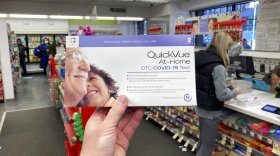
The health director says an increase in at-home tests is making it tougher to track new cases.
-
The University of Pennsylvania study examined rates for accessing care after hospitalization.
-
Heart disease remains the No. 1 killer of American women
-
Republican lawmakers say the money is needed instead to offset looming budget deficits.
-
The 'Great Resignation' and the pandemic are only two of the many reasons for the blood shortage.
-
The money will be aimed at hardest-hit communities and distributed over the next two decades.
-
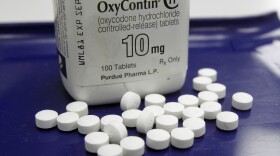
Democrats and Republicans passed House Bill 253, a $225 million relief package.
-
Under the program, health care workers give temporary assistance to hospitals in need of help.
-
Some prep time now will make it easier on the household when a family member tests positive.