-
 LVPM/A revised childhood vaccination schedule was put in place this year reducing the number of recommended vaccines from 17 to 11. Some parents around the Lehigh Valley are confused about what schedule they should follow.
 -
Without enhanced tax credits for the Affordable Care Act, Lehigh Valley residents have seen their Pennie premiums climb more than $300 a month on average.


Lehigh Valley Heart and Vascular Institute now offers treatment for atrial fibrillation (AFib) with a new system that uses pulsed electrical fields to target problematic heart muscle cells instead of extreme heat or cold.
Health & Wellness News
-
 A Carbon County woman is showing others that despite living with a traumatic brain injury, she still has a positive outlook. Ten years after her injury, she is doing things her mother never thought possible at Good Shepherd Rehabilitation in Allentown.
 -
The Asthma and Allergy Foundation of America released its Allergy Capitals report this month. Allentown ranked in the Top 15 nationwide.
-
A rectal cancer survivor is teaming up with a woman who lost her brother to colon cancer to get the word out about the importance of getting routine screenings. Colorectal cancer is very treatable when caught early enough.
-
Prescription drug middlemen are being blamed by independent pharmacies for revenue decline, under-reimbursement, and financial strain. As more of the smaller shops shutter, local pharmacists are calling for reform.
-
Medical students across the country found out where they are headed for their residencies on Match Day on Friday. For the first time, St. Luke’s Katz School of Medicine held a ceremony in Bethlehem along with partner school Temple University in Philadelphia.
-
WLVR's Megan Frank talks with journalists Stephanie Sigafoos and Brittany Sweeney.
-
March is Colorectal Cancer Awareness Month. Health care companies across the Lehigh Valley are giving a voice to colorectal cancer patients and their care givers to raise awareness.
-
About a million Pennsylvanians have medical debt, but a proposal in the Gov. Josh Shapiro's 2024-25 budget could help alleviate those debts. State Rep. Josh Siegel, who represents parts of Allentown and Salisbury Township, is an advocate for the proposal.
-
More than two dozen residents showed up at a zoning meeting last month to speak against Ripple's plans in Allentown to build so-called medical respite rooms, but none got the chance.
-
Most of America “springs forward” Sunday, March 10, 2024, for daylight saving time and losing that hour of sleep can do more than leave you tired and cranky the next day. It also could affect your health.
-
Take a look at stories that ran throughout the week of which we are most proud, had a profound impact on readers or that you might want to look at again.
-
Technology called cold capping helps people retain their hair during chemotherapy. A mother shares her experience using it while fighting cancer.













-
LVHN's Dr. Robert Ray Jr. is working with an internal task force on diversity and inclusion.
-
Demand for the wellness center's services has risen sharply in the pandemic.
-
Gov. Wolf's spending plan creates a $200M scholarship program for people entering health care fields.
-
The health director says an increase in at-home tests is making it tougher to track new cases.
-
The University of Pennsylvania study examined rates for accessing care after hospitalization.
-
Heart disease remains the No. 1 killer of American women
-
Republican lawmakers say the money is needed instead to offset looming budget deficits.
-
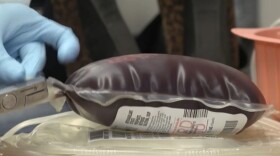
The 'Great Resignation' and the pandemic are only two of the many reasons for the blood shortage.
-
The money will be aimed at hardest-hit communities and distributed over the next two decades.
-
Democrats and Republicans passed House Bill 253, a $225 million relief package.
-
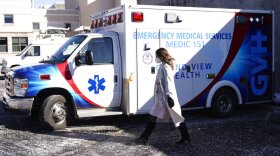
Under the program, health care workers give temporary assistance to hospitals in need of help.
-
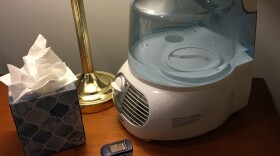
Some prep time now will make it easier on the household when a family member tests positive.