-
 LVPM/A revised childhood vaccination schedule was put in place this year reducing the number of recommended vaccines from 17 to 11. Some parents around the Lehigh Valley are confused about what schedule they should follow.
 -
Without enhanced tax credits for the Affordable Care Act, Lehigh Valley residents have seen their Pennie premiums climb more than $300 a month on average.


Lehigh Valley Heart and Vascular Institute now offers treatment for atrial fibrillation (AFib) with a new system that uses pulsed electrical fields to target problematic heart muscle cells instead of extreme heat or cold.
Health & Wellness News
-
 The awards announced last week complete the $155 million school safety grants program package issued by the School safety and Security Committee (SSSC) in January 2024.
 -
A local brain injury patient appeared at Home Care Lobby Day in the State Capitol this month to advocate for better wages for her home healthcare nurse. Wages for home health care employees are low and don't often get updates despite the cost of living going up.
-
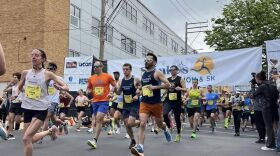
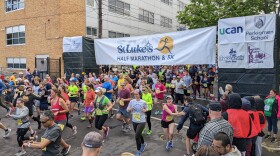
Almost 2,200 runners registered for the races that started at William Allen High School and ended at J. Birney Crum Stadium in Allentown on Sunday. Volunteers and spectators lined the route in support of racers. (See the top finishers)
-
For as many people in the Lehigh Valley that love coasters, there are just as many that are scared of them. A local psychologist says that overcoming fear is possible- just start slow
-
Despite chilly temperatures, festival-goers were out in abundance.
-
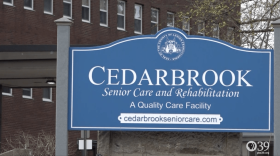
Cedarbrook Senior Care and Rehab states that much of its current staff is in the form of short-term contracts, but it is optimistic it can meet new federal staffing guidelines.
-
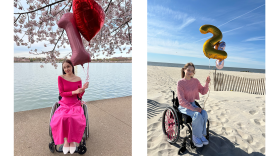
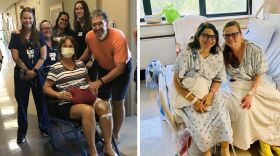
At 20 years old, Caroline Laubach has had more surgeries than she can count. A heart transplant two years ago gave her a second chance at life — an opportunity she celebrates each National Donate Life Month.
-
The St. Luke's Half Marathon begins Sunday morning at William Allen High School and ends at J. Birney Crum Stadium. More than 2,000 people are registered for activities being held Saturday and Sunday, organizers say.
-
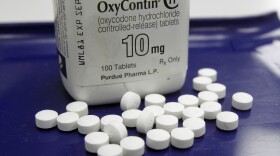
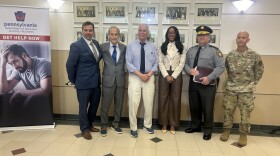
Various state agencies came together to promote drug take-back day this weekend. People can drop off unused or outdated prescription pills at designated drop-off locations.
-
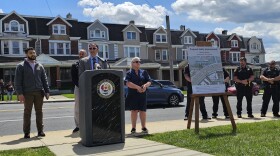
Allentown officials will work over the next year to develop a “roadmap” to make the city’s streets safer for pedestrians and cyclists.
-
Pennsylvania's third most populous region received a "C" grade from the American Lung Association and ranked fourth-worst in the mid-Atlantic for ozone pollution. But, it's better than last year’s rankings in the annual "State of the Air" report.
-
During Donate Life Month, organ recipients and donors share stories of how their lives changed following the organ donation process. Those waiting for an organ can wait on average five to seven years for a transplant.






-
LVHN's Dr. Robert Ray Jr. is working with an internal task force on diversity and inclusion.
-
Demand for the wellness center's services has risen sharply in the pandemic.
-
Gov. Wolf's spending plan creates a $200M scholarship program for people entering health care fields.
-
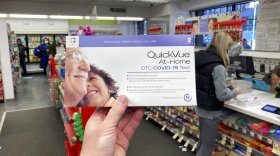
The health director says an increase in at-home tests is making it tougher to track new cases.
-
The University of Pennsylvania study examined rates for accessing care after hospitalization.
-
Heart disease remains the No. 1 killer of American women
-
Republican lawmakers say the money is needed instead to offset looming budget deficits.
-
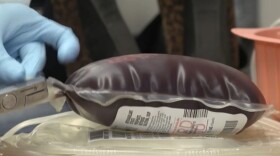
The 'Great Resignation' and the pandemic are only two of the many reasons for the blood shortage.
-
The money will be aimed at hardest-hit communities and distributed over the next two decades.
-
Democrats and Republicans passed House Bill 253, a $225 million relief package.
-
Under the program, health care workers give temporary assistance to hospitals in need of help.
-
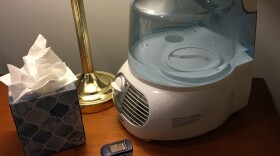
Some prep time now will make it easier on the household when a family member tests positive.