-
 LVPM/A revised childhood vaccination schedule was put in place this year reducing the number of recommended vaccines from 17 to 11. Some parents around the Lehigh Valley are confused about what schedule they should follow.
 -
Without enhanced tax credits for the Affordable Care Act, Lehigh Valley residents have seen their Pennie premiums climb more than $300 a month on average.


Lehigh Valley Heart and Vascular Institute now offers treatment for atrial fibrillation (AFib) with a new system that uses pulsed electrical fields to target problematic heart muscle cells instead of extreme heat or cold.
Health & Wellness News
-
 Members of Easton's Blueprint Communities organization announced their first project, a mural at Chubby's honoring South Side's past, present, and future, on Monday afternoon.
 -
Northampton County and Northampton Community College will offer a free workplace safety training later this month aimed at employees of municipal governments, nonprofits and similar organizations.
-
The funding, through the Livable Landscape program, was unanimously approved at the county council’s June 18 meeting.
-
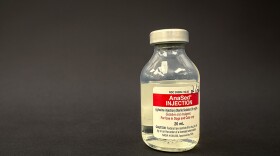
Legislators worked to establish penalties for xylazine use and trafficking in an attempt to lessen its presence in Pennsylvania's illicit drug supply. Some say doing so made way for a new, unclassified veterinary tranquilizer to take its place — medetomidine.
-
Nearly a year after the Biden administration designated xylazine as an "emerging threat" to the United States, Gov. Josh Shapiro classified it as a schedule III drug, making unauthorized possession a crime in Pennsylvania. Experts say the move has partly served to clear the way for new illicit substances to enter the drug market.
-
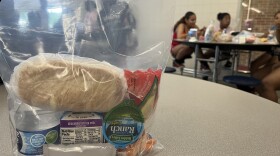
Proposed federal budget cuts would impact programs such as the free summer meal program for children in the Allentown School District.
-
The $2.75 million payment to the federal government resolves allegations that a pharmacy technician stole controlled substances on about 40 occasions and the health network failed to institute proper controls.
-
Despite not being approved for human consumption, veterinary tranquilizers are infiltrating the illicit drug supply in Pennsylvania. Harm reduction specialists and health care professionals say these overdoses can't be approached solely with naloxone, the opioid overdose reversal drug.
-
A generous donation from a Lehigh Valley native and others funds free swim lessons for children and adults in the River Crossing YMCA's Safety Around Water, or SAW, swim education program.
-
The bill would limit the manufacture, sale, distribution and use of firefighting foam containing PFAS, also known as forever chemicals, beginning in 2026.
-
Xylazine, an animal-grade tranquilizer that's not approved for human use, has taken Pennsylvania's illicit drug supply by storm. Known on the streets as "tranq," it accounted for almost 1 in 4 overdose deaths in Pennsylvania by 2023. Last year in Lehigh County, it was a contributing cause of death in 20 of the 112 deadly overdoses, or 17.9 percent of cases.
-
The funding comes from the commonwealth’s Resilient Food Systems Infrastructure program, a cooperative agreement with the U.S. Department of Agriculture.








-
Speak up if something doesn't feel right.
-
Johnson said she is honored to lead during a 'transformative time' in public health.
-
Three LVHN hospitals received recognition by the Human Rights Campaign advocacy group.
-
The reason for the overdose deaths, seems to be tainted narcotics, the study says.
-
After a 2-year break, the Red Cross is asking for volunteers and fire fighters to step up and help.
-
The new facility will serve children as well as adults.
-
Pregnant women in Pennsylvania who are insured through Medicaid will now have coverage for a full year after giving birth, rather than just 60 days post-partum.
-
Preventive programs can help people stay healthier and are available for no extra Medicare premium.
-
The Safe2Say Something program receives thousands of tips about mental health, bullying and harassment.
-
How to tell the difference as we head toward peak allergy season.
-
A shortage of specialists is among the reasons for wait lists for testing.
-
People tend to get vaccinated when the number of new infections goes up.