
Bethlehem Live Weather Camera sponsored by St. Luke's University Health Network
-
 Brad Klein reviews the week's astronomical highlights with Bethlehem’s "Backyard Astronomy Guy."
 -
A November 11 Facebook post showed a map of Pennsylvania and the surrounding mid-Atlantic region being walloped by snowfall in the weeks ahead. It's "wrong" and "without context," a local meteorologist said.
-
Edward Boscola, city water and sewer resources director, said Wednesday that a roughly $2 increase in monthly sewer charges would keep the capital fund in good shape, minimize borrowing and contribute to upcoming projects at the wastewater facility.
-
The Lehigh County Authority released the estimate and a schedule of public meetings to review the plan and collect feedback from affected residents. The first meeting is scheduled for 6 tonight in South Whitehall Township.
-
Lafayette College's commercial composting vessel was placed in June. It comes more than a decade after the college first started it's composting program, with the dining hall using fully compostable packaging and cutlery.
-
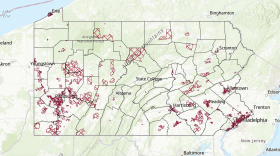
The Pennsylvania Department of Environmental Protection policy now recognizes 1,965 environmental justice areas in Pennsylvania. More than 200 are in rural counties.
-
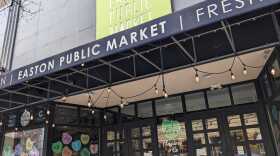
Greater Easton Development Partnership has gotten agricultural grants totaling $60,000 from the Pennsylvania Farm Bill's Urban Agriculture Infrastructure Grant.
-
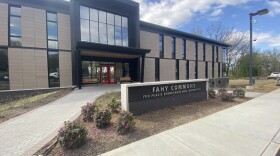
The first new building on Muhlenberg’s campus in more than a decade, the Fahy Commons for Public Engagement and Innovation, 2400 W. Chew St., has racked up three different sustainability awards and certifications.
-
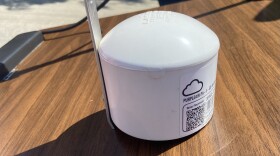
Lehigh Valley Breathes is a Valley-wide effort to monitor air quality amid emissions from trucking and warehousing. The project is expected to run for a year.
-
Come Sunday, daylight saving time is out and standard time reigns once again. That means an extra hour of sleep in the morning, but sunset slated for 4:53 p.m.





-
Crayola officials, along with PennEnvironment Research & Policy Center and local legislators, held an informational session Thursday on the company’s 3.53 megawatt solar farm.
-
The Delaware & Lehigh National Heritage Corridor this month launched the Quest for the Golden Grabber. In its second year, it's an effort to engage community members in a friendly competition while cleaning litter from the trail.
-
There were 15 Diamond Clover awardees this year, including two from Lehigh County. The award is the highest in Pennsylvania's 4-H program.
-
Northampton County will use a mix of local money and a federal grant to buy 43 acres of undeveloped land in Stockertown, officials announced. Officials did not identify the parcel they intend to buy.
-
The African penguin colony, off exhibit since early January because of bird flu, is back at the Lehigh Valley Zoo.
-
This week, a preview of confirmation hearings scheduled for Wednesday to confirm a new head for NASA. The nominee is well known to the Lehigh Valley.
-
City officials were ready in February to award a contract for a tree inventory in Allentown, but uncertainties caused by an order from President Donald Trump's administration forced them to pause that plan.
-
The Pennsylvania Department of Environmental Protection last week launched the Child Care Lead Testing and Reduction grant program. Aimed at schools and childcare facilities, the program is focused on testing for, and remediating, lead in drinking water.
-
For the sixth year, Nurture Nature Center will hold the Youth Climate Summit of the Lehigh Valley. The free event aims to engage middle and high school students in climate change issues, as well as seek solutions.
-
If Mother Nature has anything to say about it, this could be an abbreviated peak bloom for the cherry blossoms in the Lehigh Valley and surrounding areas.
-
Cloud cover is likely to limit thunderstorm development Monday by acting as a cap, preventing the upward movement of warm, moist air needed to fuel thunderstorms.
-
President Donald Trump and the Department of Government Efficiency canceled Pennsylvania’s $13 million contract with the Local Food Purchasing Assistance Program. A pandemic-era program, farmers were paid to supply local food banks with fresh produce.