
Bethlehem Live Weather Camera sponsored by St. Luke's University Health Network
-
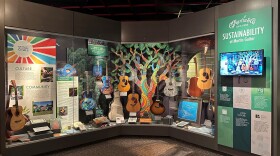
 C.F. Martin & Company has unveiled a vivid new museum display focused on sustainable manufacturing practices, highlighting years of innovations which focus on quality instruments with an environmentally-friendly orientation.
 -
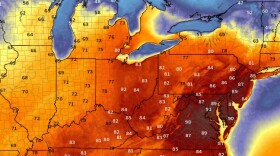
A sun-splashed Sunday may have felt like the beginning of summer, but temperatures Monday soared into record-breaking territory, the National Weather Service said.
-
This week, WLVR’s Brad and Bethlehem’s ‘Backyard Astronomy Guy,’ Marty McGuire discuss the planet Jupiter. All winter it has been among the brightest objects in the night sky. But soon it will disappear.
-
Two Lehigh Valley municipalities this year participated in Penn State’s Local Climate Action Program. Here's how the program works to create a greenhouse gas inventory and, from those findings, a climate action plan.
-
The National Weather Service said early next week will look to bring some of the warmest temperatures we have seen thus far in the Lehigh Valley.
-
More than $5.5 million is set to go toward non-point source projects in Bethlehem Township and over $2 million will cover wastewater improvements in Bangor Borough.
-
Pennsylvania's third most populous region received a "C" grade from the American Lung Association and ranked fourth-worst in the mid-Atlantic for ozone pollution. But, it's better than last year’s rankings in the annual "State of the Air" report.
-
The Lehigh Valley Comprehensive Planning Committee on Tuesday agreed to add new definitions for ordinances in Plainfield Township addressing the keeping and raising of chickens at residential properties.
-
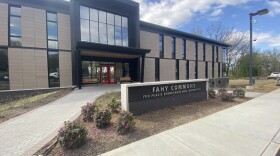
Fahy Commons was named the first project in the world to achieve a rigorous sustainability certification for buildings that reward projects for more energy than they use. The 20,000-square-foot, three-floor building cost $13.2 million and opened to students last January.
-
This year, Earth Day falls on April 22. But for Lehigh Valley businesses that embrace more sustainable efforts, no matter the cost, it's just another typical Monday.






-
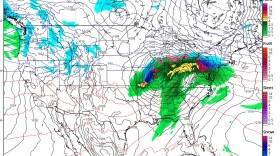
The meteorological winter of 2022-23 is now in the books as the 7th warmest on record in the Lehigh Valley, but a potent storm system is heading this way.
-
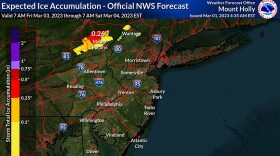
Forecasters say another system will target the Mid-Atlantic region on Friday, and it will likely bring another shot of frozen precipitation to the area.
-
Lower Saucon Township residents opposing the landfill expansion who received party status are permitted to ask questions of witnesses, present evidence, make arguments, and are allowed to participate in an appeal.
-
Our daily list of useful information, chosen to inform and enhance your day, includes news you can use and then some!
-
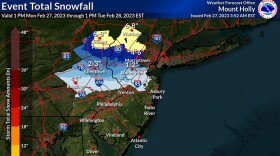
The National Weather Service issued a winter weather advisory starting Monday night into Tuesday morning for the Lehigh Valley region. Hazardous conditions could affect the Monday afternoon and Tuesday morning commutes, according to the advisory.
-
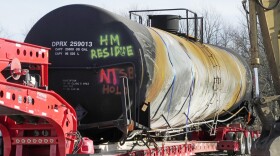
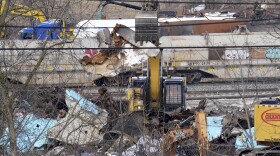
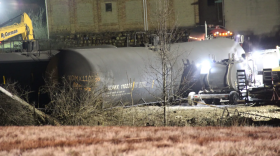
Shipments of contaminated waste from the site of a fiery train derailment earlier this month in eastern Ohio near the Pennsylvania state line will resume Monday.
-
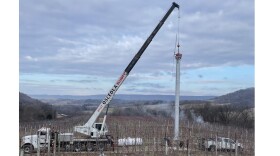
Scholl Orchards installed towering wind machines on its land in Kempton, Berks County, in a battle to ward off frost. It's necessary with warming winters to protect the trees from damage.
-
In October, months before the East Palestine derailment, the company also directed a train to keep moving with an overheated wheel that caused it to derail miles later in Sandusky, Ohio.
-
An unseasonably warm winter has people thinking their pollen allergies are already acting up. But other temperature-related causes can trigger allergy-like symptoms.
-
As the weather warms, there have been more reports of ticks in the Lehigh Valley. An expert explains why and how to protect yourself.
-
Some Pennsylvanians in Beaver County who live within or just beyond the evacuation area near the site of the train derailment are worried about the long-term effects of the event.
-
In the aftermath of the derailment, which released toxic chemicals into the streams and air around East Palestine, many are wondering how the country’s regulations around rail traffic could have allowed a train with 20 cars of hazardous material not to be considered a “high hazard.”