-
 LVPM/A revised childhood vaccination schedule was put in place this year reducing the number of recommended vaccines from 17 to 11. Some parents around the Lehigh Valley are confused about what schedule they should follow.
 -
Without enhanced tax credits for the Affordable Care Act, Lehigh Valley residents have seen their Pennie premiums climb more than $300 a month on average.


Lehigh Valley Heart and Vascular Institute now offers treatment for atrial fibrillation (AFib) with a new system that uses pulsed electrical fields to target problematic heart muscle cells instead of extreme heat or cold.
Health & Wellness News
-
 Take a look at stories that ran throughout the week of which we are most proud, had a profound impact on readers or that you might want to look at again.
 -
The 75,000-square-foot St. Luke’s Sportsplex features more than two dozen indoor courts and almost the same number outside.
-
The most popular names have been a constant the past few years, according to the major health networks. But one trend that emerged in 2023 in the Lehigh Valley seems to be tied to sports — specifically, the success and popularity of the Philadelphia Phillies. Taylor Swift also may be having an impact.
-
New therapies for sickle cell disease could be available in the Lehigh Valley next year. The FDA approved the treatments earlier this month for people 12 and older. The disease disproportionately affects people who are Black and of certain other descents.
-
Lehigh Valley Health Network plans to merge with Jefferson Health, but deals like this are nothing new to the Philadelphia-based system. For nearly a decade, Jefferson has been combining forces with hospitals in two states.
-
Getting physical and mental health in check is a popular new year resolution. Lehigh Valley health leaders are explaining how they plan to accomplish their goals for 2024.
-
Getting healthier in the new year is popular resolution, but sticking to it is the hard part. An Allentown woman is sharing how she kept with her fitness goal, even through a life-threatening diagnosis.
-
Canine experts emphasize how dangerous and, in some cases, deadly, human foods can be to dogs.
-
Take a look at stories that ran throughout the week of which we are most proud, had a profound impact on readers or that you might want to look at again.
-
Lehigh Valley Health Network and Thomas Jefferson University Hospitals announced plans to merge this week. A healthcare analyst weighs in on what these types of deals mean for employees and patients.
-
If ultimately completed, the combined health care system would operate 30 hospitals and more than 700 outpatient sites, with more than 62,000 employees, according to LVHN and Jefferson Health.
-
Pa.'s governor wants more students to take advantage of the universal free breakfast program in schools across the state. He is challenging administrators to promote the program and increase participation.










-
LVHN's Dr. Robert Ray Jr. is working with an internal task force on diversity and inclusion.
-
Demand for the wellness center's services has risen sharply in the pandemic.
-
Gov. Wolf's spending plan creates a $200M scholarship program for people entering health care fields.
-
The health director says an increase in at-home tests is making it tougher to track new cases.
-
The University of Pennsylvania study examined rates for accessing care after hospitalization.
-
Heart disease remains the No. 1 killer of American women
-
Republican lawmakers say the money is needed instead to offset looming budget deficits.
-
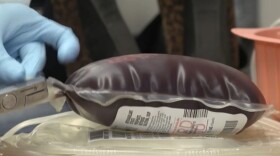
The 'Great Resignation' and the pandemic are only two of the many reasons for the blood shortage.
-
The money will be aimed at hardest-hit communities and distributed over the next two decades.
-
Democrats and Republicans passed House Bill 253, a $225 million relief package.
-
Under the program, health care workers give temporary assistance to hospitals in need of help.
-
Some prep time now will make it easier on the household when a family member tests positive.