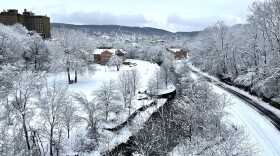

Bethlehem Live Weather Camera sponsored by St. Luke's University Health Network
-
 This week, WLVR's Brad Klein explore The Pleiades, a prominent winter asterism, or group of stars that form a recognizable pattern in the night sky.
 -
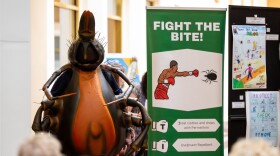
State officials announced the theme for this year’s annual tick-themed art contest, “Protect. Check. Remove.” Last year, there were no winners in the Lehigh Valley.
-
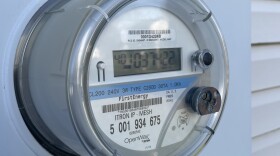
A cold snap that sent temperatures near historic lows brought record winter demand for electricity across numerous regional grids and service territories, including the Lehigh Valley.
-
Emmaus is one step closer to remediating two of its PFAS-contaminated wells. PFAS are also called "forever chemicals" because they are slow to breakdown in the environment and are linked to a variety of health issues.
-
Bird flu has arrived in the Lehigh Valley, contributing to the deaths of about 5,000 migrating snow geese at sites Lehigh and Northampton counties.
-
Letters of application for renewals of existing wastewater treatment plants and related discharges at Lehigh Township Municipal Authority-Pennsville and Lehigh Carbon Community College were approved by the LVPC Environment Committee on Tuesday morning.
-
This week, WLVR's Brad Klein explore the prominent winter constellation Orion wit Marty McGuire, offering insights on its star patterns. Klein prefers to reimagine it as Orion the Dogwalker alongside the bright star Sirius.
-
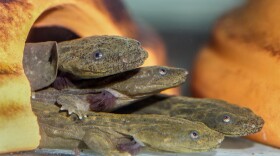
The U.S. Fish and Wildlife Service is considering the eastern hellbender for protections under the federal Endangered Species Act. Find out why habitat loss and the pet trade are contributing to population declines.
-
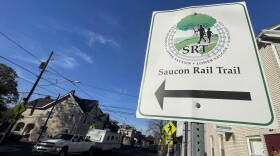
A new bridge in Lower Saucon Township allows pedestrians to navigate from Hellertown to Quakertown uninterrupted. A grand opening ceremony was held Saturday.
-
Allentown's EAC accomplished a lot in the past year, including successfully lobbying for two pieces of legislation and supporting a sustainability coordinator for the second year.





-
Forecasters at the Climate Prediction Center say the region faces “equal chances” for above, near, or below-normal precipitation from December through February — meaning the odds of any outcome are roughly even.
-
This week, a look at the Orionid meteor shower. It peaks this week on Monday night-Tuesday morning.
-
Applications are open for the second Good Farmer Award U.S. Officials are looking for farmers with less than 10 years of experience who exemplify sustainable farming practices while contributing to community and environmental health.
-
Easton residents were surprised to see streetlights swapped to LED fixtures last week, and city officials have halted the Met-Ed conversion project to review details before continuing the project.
-
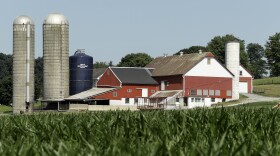
A crop farm in Lehigh County was included in the latest round of Pennsylvania's Farmland Preservation Program. Twenty-three other farms across the state were also preserved.
-
In its 10th year, and led by the Watershed Coalition of the Lehigh Valley, the conference theme was “Back to Basics,” and drew a sold-out crowd with about 180 people, including professionals and volunteers.
-
The Allentown Environmental Advisory Council on Monday unanimously approved a letter and draft resolution, urging city officials to use non-chemical methods to dispatch invasive plants.
-
The Walking Purchase, a 1737 land grab perpetrated by William Penn's sons, shaped the Lehigh Valley as residents know it today. But, the land wasn’t actually purchased, as the name might suggest — it was swindled from the Lenni-Lenape.
-
On Watching the Skies, WLVR's Brad Klein and Bethlehem's "Backyard Astronomy Guy" Marty McGuire talk about possible signs of life on Mars, as seen by NASA's Perseverance rover.
-
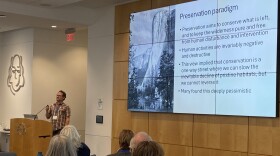
More than 130 people attended the panel, which focused on efforts across the state to tamp down on light pollution, not only to benefit star-gazers, but for fireflies and migrating birds, too.
-
Twenty-seven city restaurants and eateries have so far responded to a single-use plastics survey.
-
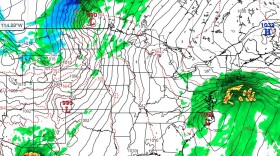
As the system moves off the Carolina coast and begins to strengthen and lift northward, impacts farther inland — particularly in the Lehigh Valley — are not expected to be overly hazardous.